NAD+ Nasal Spray Without Insurance
Most insurance plans don’t cover it, since it’s classified as a wellness product rather than a medically necessary treatment. Here’s what that means in practice, and why we currently feature Telos Rx for people exploring this route.
No obligation — a licensed clinician reviews your intake before anything is prescribed.
Is NAD+ nasal spray covered by insurance? Generally, no. It’s typically classified as an elective wellness product, similar to many compounded formulations, so most insurance plans treat it as an out-of-pocket expense rather than a covered prescription.
For a broader overview, see our guide to NAD+ nasal spray.
Why Insurance Rarely Covers It
Insurance coverage generally depends on medical necessity for a diagnosed condition, backed by an approved indication. Because this category is used primarily for general wellness support rather than treating a specific diagnosed illness, most insurers classify it outside their covered formularies, regardless of which pharmacy compounds it.
This is common across compounded wellness products generally, not just NAD+ nasal spray. Peptides, certain hormone therapies, and other compounded formulations often face the same out-of-pocket reality, since insurers tend to reserve coverage for FDA-approved drugs prescribed for a specific diagnosis.
It’s also worth understanding that compounded products, by definition, aren’t mass-manufactured and FDA-approved in the same way a standard prescription drug is. That distinction matters to insurers, who typically build their formularies around approved medications with established indications rather than individualized compounded preparations, even when a licensed pharmacy and a valid prescription are involved.
Paying Out of Pocket for NAD+ Nasal Spray
Because NAD+ nasal spray isn’t typically covered, most people budget for it the way they would any other elective wellness purchase. Costs vary by provider, dosing protocol, and pharmacy, which is part of why we avoid listing specific figures here and instead point you to a provider’s own intake process for current details.
Some providers offer subscription-style plans or bundled pricing to make an ongoing routine more predictable. It’s worth asking directly during an intake consultation how billing works, whether pricing is locked in, and whether there are any setup fees beyond the recurring cost.
Because pricing structures differ from one provider to the next, comparing more than one option before committing can be worthwhile. Some people find that a slightly higher monthly cost is worth it if it includes ongoing clinician check-ins, while others prioritize the lowest possible recurring price. There’s no universally right answer, only what fits your budget and expectations.
It also helps to think about this the same way you’d think about any other recurring wellness expense that isn’t reimbursed, such as a gym membership or a supplement subscription. Framing it that way, rather than expecting it to behave like a standard co-pay, tends to set more realistic expectations from the start and avoids frustration down the line when a bill arrives.
Can You Use an HSA or FSA?
Some people ask whether a Health Savings Account or Flexible Spending Account can help offset the expense of NAD+ nasal spray. Eligibility depends on your plan’s specific rules and often on whether NAD+ nasal spray was prescribed by a licensed clinician for a documented purpose, so this is a question best directed to your account administrator rather than assumed either way.
Keeping your intake paperwork and prescription documentation on hand can make this conversation easier, regardless of the outcome.
If your plan does allow reimbursement for compounded formulations prescribed by a licensed clinician, you’ll typically need an itemized receipt and possibly a letter of medical necessity. It’s a good idea to request these documents from your provider at the time of purchase rather than trying to track them down later.
Rules also differ between HSA and FSA accounts, and some administrators require pre-approval before a purchase qualifies, while others only need documentation at tax time. Reading your plan’s specific summary document, or calling the administrator directly, is generally faster than guessing based on how a different account type worked in the past.
Why We Currently Feature Telos Rx
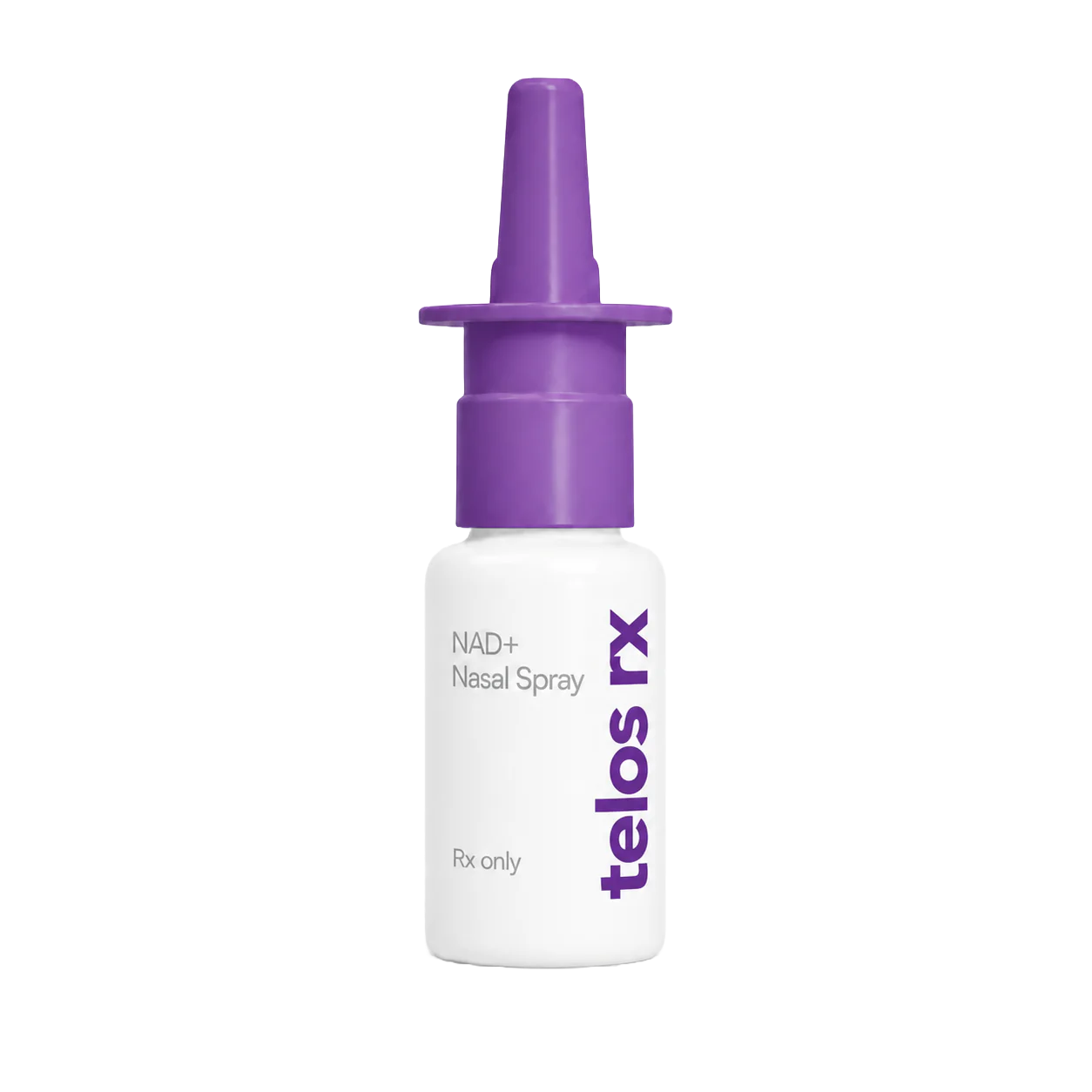
Telos Rx offers a compounded NAD+ nasal spray through a licensed US pharmacy, with an online intake process and clinician review, without requiring you to navigate insurance pre-authorization.
We are not claiming Telos Rx is objectively or medically proven to be the best option for every person. It is the provider we currently feature and have reviewed against our own criteria.
 Check Your Eligibility Now
Takes about 2 minutes. Affiliate disclosure: We may earn compensation if you use this link and complete a qualifying action.
Managing the Cost Without Insurance
Ask About Subscription Pricing
Recurring plans sometimes offer more predictable costs than one-off orders, especially for an ongoing wellness routine.
Confirm What’s Included
Ask whether intake consultations, follow-ups, and shipping for your NAD+ nasal spray order are bundled into the price or billed separately.
Check HSA/FSA Eligibility
Confirm with your plan administrator before assuming a purchase does or doesn’t qualify for reimbursement.
Should Insurance Change Your Decision?
Lack of insurance coverage for NAD+ nasal spray is the norm, not a red flag specific to any one provider. What matters more is choosing a provider that’s transparent about its pharmacy, its intake process, and what you’re paying for, regardless of whether insurance is involved.
Budget for it as an out-of-pocket wellness expense, and confirm details directly with your chosen provider before starting.
If cost is a major factor in your decision, it’s worth reading up on how this option compares to alternatives before committing. See our guide to NAD+ nasal spray benefits for a fuller picture of what people report, which can help you weigh the out-of-pocket cost against the potential upside for your own situation.
Medical disclaimer: NADNasalSpray.org provides general educational information and does not diagnose medical conditions, recommend individual treatment, or prescribe medication. Speak with a qualified healthcare professional about whether this option is appropriate for you, and consult your insurance provider directly regarding coverage questions.
Regulatory information: See The Role of NAD+ in Regenerative Medicine.
NAD+ Nasal Spray Without Insurance: FAQ
Does insurance ever cover NAD+ nasal spray?
Rarely. Coverage decisions vary by plan, but most classify it as an elective wellness product rather than a covered prescription.
Can I use HSA or FSA funds instead?
Possibly, depending on your specific plan rules. Check with your account administrator before assuming either way.
Why isn’t it covered like other prescriptions?
Insurance coverage generally requires a diagnosed medical necessity, and this category is typically used for general wellness support instead.
Is paying out of pocket normal for compounded wellness products?
Yes. Many compounded formulations, not just this one, are commonly paid for out of pocket rather than through insurance.
Does Telos Rx require insurance to get started?
No. Telos Rx offers an online intake and clinician review process that doesn’t depend on insurance pre-authorization.
Should lack of coverage discourage me from trying it?
Not necessarily. It simply means budgeting for it as an out-of-pocket wellness expense, the same as many people already do for similar products.
Ready to Learn More?
Telos Rx offers an online intake and clinician review process for its compounded NAD+ nasal spray, with no insurance pre-authorization required. Eligibility and prescribing decisions are determined by the provider.
Start Your Free Online IntakeAffiliate link. We may earn compensation from qualifying referrals.