NAD+ Nasal Spray vs Injection: Which Is Right for You?
NAD+ nasal spray vs injection is one of the most common questions people ask once they start researching NAD+ replenishment. Both routes raise circulating NAD+, but they differ in convenience, setting, and day-to-day routine. Here’s how NAD+ nasal spray vs injection actually compares, and why we currently feature Telos Rx as our reviewed intranasal option.
No obligation — a licensed clinician reviews your intake before anything is prescribed.
What’s the difference between NAD+ nasal spray vs injection? Nasal spray delivers NAD+ through the nasal mucosa as part of an at-home daily routine, while injections are typically administered by a clinician, either as a shot or an IV infusion. Neither route is universally “better” — the right choice depends on your goals, schedule, and comfort with needles.
For a broader overview of intranasal NAD+, see our guide to NAD+ nasal spray.
NAD+ Nasal Spray vs Injection: Key Differences
Here’s how the two delivery methods generally compare.
| Factor | NAD+ Nasal Spray | NAD+ Injection |
|---|---|---|
| Administration At Home | Self-administered daily at home | Often clinician-administered, sometimes self-injected |
| Needles Involved | None | Yes, for shots and IV infusions |
| Typical Setting | Home routine | Clinic visit for IV; home or clinic for injections |
| Time Commitment | A few seconds per use | IV sessions can take 30–90 minutes |
Individual protocols vary by provider. Always confirm specifics with your prescribing clinician.
Why Many People Choose NAD+ Nasal Spray Over Injection
The biggest draw of NAD+ nasal spray vs injection is convenience. There’s no needle, no clinic appointment, and no recovery time. Once your provider approves a compounded prescription, the spray ships to your door and becomes part of a normal morning or evening routine.
This matters most for people who want consistency. An IV infusion delivers a large dose in one sitting, but scheduling a recurring clinic visit is harder to sustain than a daily at-home spray. For people focused on steady, long-term NAD+ support rather than periodic large doses, nasal spray is often the easier habit to keep.
Cost predictability is another factor people weigh, even without getting into specific figures. An at-home routine tends to involve one recurring shipment, while IV sessions can carry additional variables like clinic scheduling fees, travel time, and the possibility of missed appointments. For people managing a busy schedule, that predictability alone can be the deciding factor between the two routes.
To understand what a typical protocol involves, see our guide to NAD+ nasal spray dosage.
When an Injection or IV Might Make Sense
Injections and IV infusions deliver NAD+ directly into the bloodstream under clinical supervision, which some people prefer for closely monitored, higher-dose sessions. If you already have a relationship with an infusion clinic, or you want a clinician present for the entire session, that route may fit your preferences better than an at-home spray. For people comparing physician-guided options outside the clinic setting, our separate guide covers at-home NAD+ injections and what to look for in a provider.
The tradeoff is convenience and cost predictability. IV appointments require travel, scheduling, and recurring clinic time, which is part of why so many people compare NAD+ nasal spray vs injection before committing to either option long-term.
Some people also start with supervised IV sessions specifically because they want a clinician physically present the first few times, then transition to an at-home routine once they’ve gotten comfortable with how their body responds. That kind of staged approach isn’t unusual, and it’s worth discussing directly with a prescribing clinician if you’re unsure which route to start with.
Why We Currently Feature Telos Rx for Intranasal NAD+
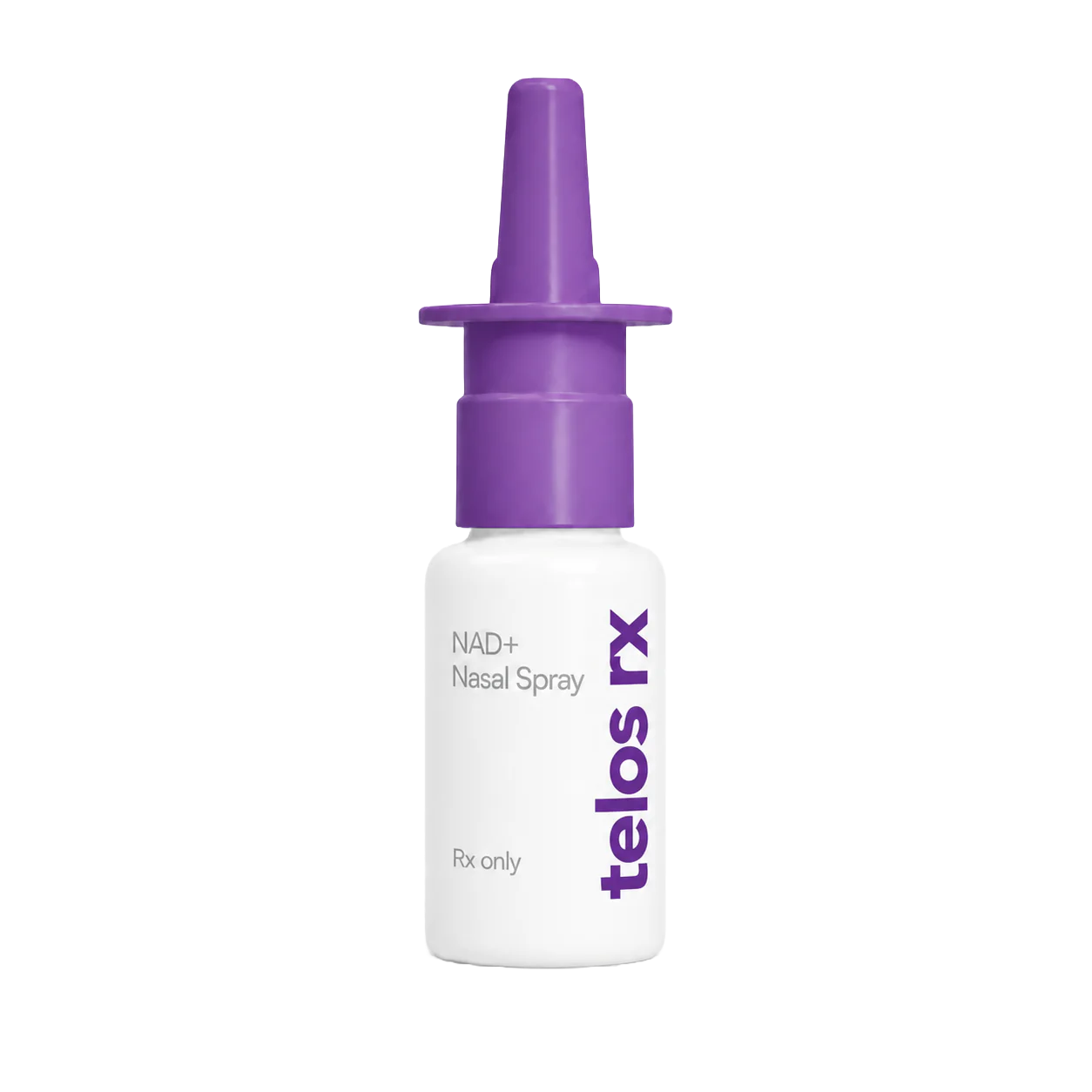
Telos Rx offers a compounded NAD+ nasal spray through a licensed US pharmacy, with clinician-reviewed intake and personalized dosing guidance. For people who have compared NAD+ nasal spray vs injection and prefer the needle-free, at-home route, it’s the option we currently feature.
We are not claiming Telos Rx is objectively or medically proven to be the best choice for every person. It is the provider we currently feature and have reviewed against our own criteria.
 Check Your Eligibility Now
Takes about 2 minutes. Affiliate disclosure: We may earn compensation if you use this link and complete a qualifying action.
Red Flags When Comparing Delivery Methods
Guaranteed Superiority Claims
Be cautious of any provider claiming one delivery method is definitively superior for every person. Individual response varies.
No Clinical Oversight
Whether you choose nasal spray or injection, a real clinician should review your intake before anything is prescribed.
Unclear Sourcing
Both delivery methods should come from a licensed compounding pharmacy, not an unverified supplier.
NAD+ Nasal Spray vs Injection: Which Should You Choose?
There’s no single right answer to the NAD+ nasal spray vs injection question. If you want a needle-free, at-home routine with minimal time commitment, intranasal delivery is generally the more convenient path. If you prefer clinician-administered sessions and don’t mind recurring clinic visits, an injection or IV may fit better.
It can also help to think about this less as a permanent decision and more as a starting point. Your comfort level, schedule, and goals can change over time, and it’s entirely reasonable to revisit the choice down the road with your prescribing clinician rather than assuming your first decision has to be your only one.
Choose based on your routine and comfort level, not marketing claims about which delivery method is universally best. For more on what to expect, see our guide to NAD+ nasal spray benefits.
Medical disclaimer: NADNasalSpray.org provides general educational information and does not diagnose medical conditions, recommend individual treatment, or prescribe medication. Speak with a qualified healthcare professional about whether NAD+ nasal spray or injection is appropriate for you.
Regulatory information: See The Role of NAD+ in Regenerative Medicine.
NAD+ Nasal Spray vs Injection FAQ
Is NAD+ nasal spray as effective as an injection?
Effectiveness can vary by individual. Intranasal delivery offers a needle-free, at-home alternative, while injections deliver NAD+ directly into the bloodstream under clinical supervision.
Which is more convenient, nasal spray or injection?
Nasal spray is generally more convenient since it’s self-administered at home in seconds, while injections and IV infusions often require a clinic visit.
Can I switch between NAD+ nasal spray and injection?
Some people use one method or move between them over time. Any change should be reviewed by your prescribing clinician first.
Does NAD+ nasal spray work as fast as an IV infusion?
An IV infusion delivers a larger dose in a single session, while nasal spray is designed for smaller, consistent daily use. The two are not directly interchangeable in timing or dose size.
Are there more side effects with one method over the other?
Reported side effects differ by route. Nasal spray users sometimes report mild nasal tingling, while infusion patients may report flushing or discomfort at the injection site. A licensed clinician can advise on what to expect.
Is Telos Rx the best NAD+ nasal spray vs injection option?
Telos Rx is the intranasal provider we currently feature and have reviewed against our own criteria. We do not claim it is objectively proven best for every person or every delivery method.
Ready to Try Needle-Free NAD+?
Telos Rx offers an online intake and clinician review process for its compounded NAD+ nasal spray. Eligibility and prescribing decisions are determined by the provider.
Start Your Free Online IntakeAffiliate link. We may earn compensation from qualifying referrals.